The digital marketplace in 2026 has reached a point of saturation where traditional tactics: simply increasing ad spend or "hacking" an algorithm: no longer yield the exponential returns they once did. For many direct-to-consumer (DTC) brands, the plateau is a familiar, frustrating reality. They reach a certain revenue ceiling, and every attempt to push past it results in skyrocketing Customer Acquisition Costs (CAC) and plummeting margins.
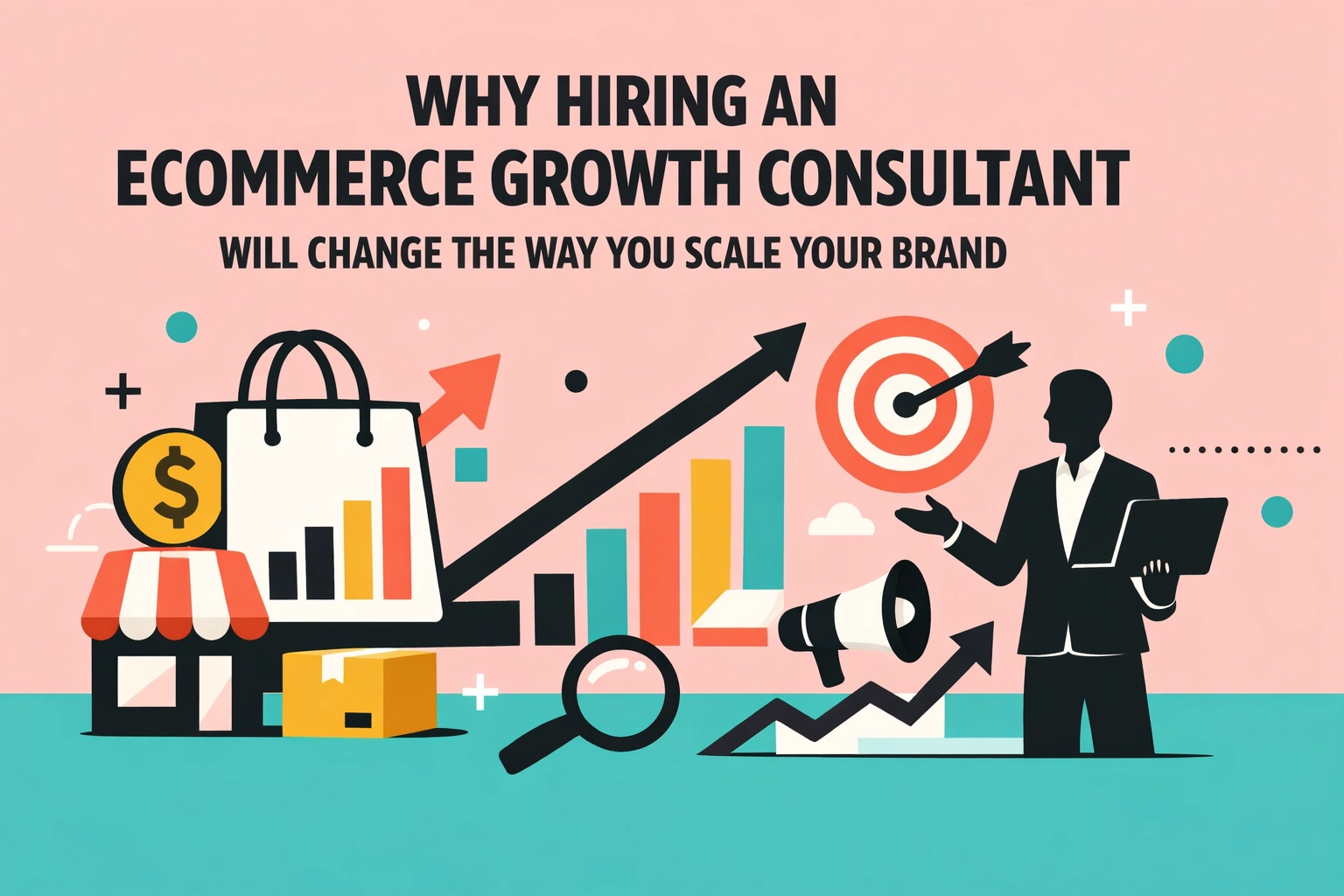
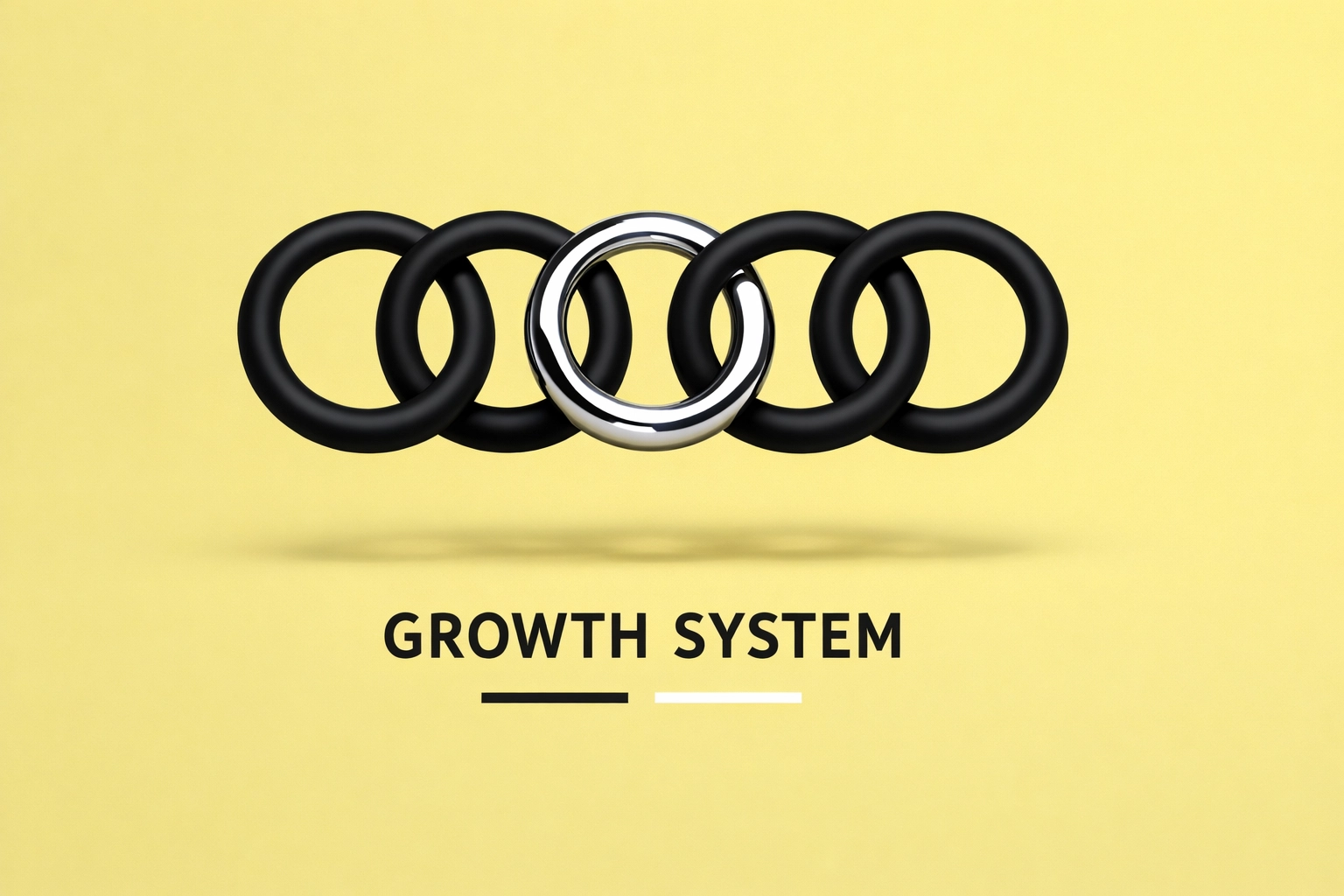
The disconnect often lies in the infrastructure of the marketing partnership. While a standard performance marketing agency might excel at managing specific channels, they frequently lack the bird's-eye view required to orchestrate a brand’s entire growth ecosystem. This is where the role of an ecommerce growth consultant becomes the catalyst for change. Rather than focusing on isolated metrics, a consultant builds a sustainable growth system that aligns creative, data, and operations into a single, scalable machine.
The Limitations of the Standard Performance Marketing Agency
Many brands begin their journey by partnering with a traditional performance marketing agency. These organizations are typically structured around channel-specific silos: a Meta team, a Google team, and perhaps an email marketing team. While these teams may be proficient in their respective platforms, they often operate in a vacuum.
Siloed Reporting and Attribution – In the standard agency model, each department fights for credit. The Meta team reports a high ROAS, and the Google team claims the same conversion. For the brand owner, these numbers often don't reconcile with the actual bank balance. This "last-click" obsession ignores the complex, multi-touch journey of a modern consumer.
The Spend-First Mentality – Agencies are frequently incentivized by a percentage of ad spend. This creates a natural bias toward increasing budgets rather than optimizing the internal levers of the business, such as Average Order Value (AOV) or Retention. When the only solution offered to a plateau is "spend more," the brand’s profitability is the first thing to suffer.
Lack of Holistic Strategy – A standard agency rarely looks at the supply chain, the website’s backend efficiency, or the lifetime value (LTV) of a customer. They are focused on the "front end" of the funnel, leaving the "back end" of the business: where the actual profit is made: to the business owner.

The Growth Consultant: A System-First Approach
In contrast to the agency model, an ecommerce growth consultant acts as a fractional Chief Growth Officer. The focus shifts from "managing ads" to "engineering a growth system." This approach acknowledges that scaling a brand is a holistic endeavor that requires the synchronization of every touchpoint.
Strategic Alignment of Creative and Data – In 2026, creative is no longer just "the visuals"; it is the targeting mechanism itself. An ecommerce growth consultant ensures that data from performance campaigns is immediately fed back to the creative team to iterate on high-performing hooks and visual styles. This tight feedback loop reduces waste and ensures that every dollar spent on production is backed by statistical probability.
Focus on MER and Contribution Margin – Instead of chasing the "vanity metric" of ROAS, digital marketing consultants focus on Marketing Efficiency Ratio (MER) and total contribution margin. They analyze how paid media impacts the entire business, including organic sales and repeat purchases. This shift in perspective allows brands to make aggressive, confident scaling decisions based on actual profitability.
Infrastructure and Conversion Rate Optimization (CRO) – A growth consultant understands that sending traffic to a leaky bucket is a waste of capital. They perform deep-dives into the user experience, identifying friction points in the checkout process and optimizing product listings to ensure that the increased traffic actually converts. According to recent research, companies that engage consultants for these specific optimizations experience an average 30% boost in online sales.
Quantifiable Performance Improvements
The transition from a channel-focused approach to a system-focused approach yields measurable results that go beyond the capabilities of traditional setups. Data shows that businesses working with specialized consultants see:
- Average 20% increase in organic search traffic – By aligning paid efforts with a cohesive SEO and content strategy.
- 50% boost in social media engagement – Through the implementation of data-driven UGC (User Generated Content) and motion graphic design.
- Two- to three-fold increase in return on investment – By identifying and cutting underperforming products and focusing resources on high-LTV customer segments.

Strategic Areas of Transformation
When a brand hires an ecommerce growth consultant, the transformation usually occurs across three primary pillars:
1. Conversion Rate Optimization (CRO)
Consultants identify precisely why customers abandon their carts. By analyzing the sales funnel and improving product listings, they close the gaps that lead to lost revenue. This involves everything from technical site speed audits to psychological triggers in copywriting. You can see examples of this holistic optimization in JN Marketing’s case studies.
2. Advanced Advertising and Omnichannel Marketing
Rather than launching ads in isolation, consultants develop an omnichannel narrative. They leverage user search intent across Google and TikTok Shop to create a reinforced brand presence. This ensures that the brand remains top-of-mind, regardless of where the customer is in their journey.
3. Market Expansion and Opportunity Discovery
Consultants are often the first to spot missing revenue opportunities. Whether it is moving into new marketplaces like Walmart Advertising or scaling internationally by handling localization (currency, shipping, and regulatory compliance), they provide a clear roadmap for expansion that minimizes risk.
Operational and Strategic Advantages
One of the most significant benefits of the consultant model is the ability to access a high-level team without the overhead of permanent employees. A growth consultant brings a network of specialists: developers, analysts, and strategists: who can be deployed as needed.
Unbiased Feedback – Agency employees are often hesitant to tell a client that their product or website is the problem. A consultant provides the brutal honesty required for growth. They examine every aspect of the organization, from customer support to fulfillment, and provide direction where business owners often feel overwhelmed.
Preventing Costly Errors – Scaling too fast can be just as dangerous as not scaling at all. Consultants ensure the backend of the business is ready for the influx of orders, preventing the "success-induced failure" that many brands face when their operations cannot keep up with their marketing.
Building the Future of Your Brand
Scaling a brand to 8 or 9 figures requires more than just a media buyer; it requires a partner who understands the mechanics of business growth. By moving away from the siloed agency model and embracing the holistic approach of an ecommerce growth consultant, brands can build predictable, scalable systems that thrive even in a competitive market.
At JN Marketing, the focus is on building these very systems. By aligning creative strategy with rigorous data analysis, brands are empowered to reach their full potential. To learn more about how a strategic partnership can redefine your growth trajectory, explore our services or about us.
> "Working with a growth consultant changed the way we looked at our numbers. We stopped chasing daily ROAS and started building a brand that could actually scale. The results were immediate and, more importantly, sustainable."
> Director of Growth
> Bold Aesthetics